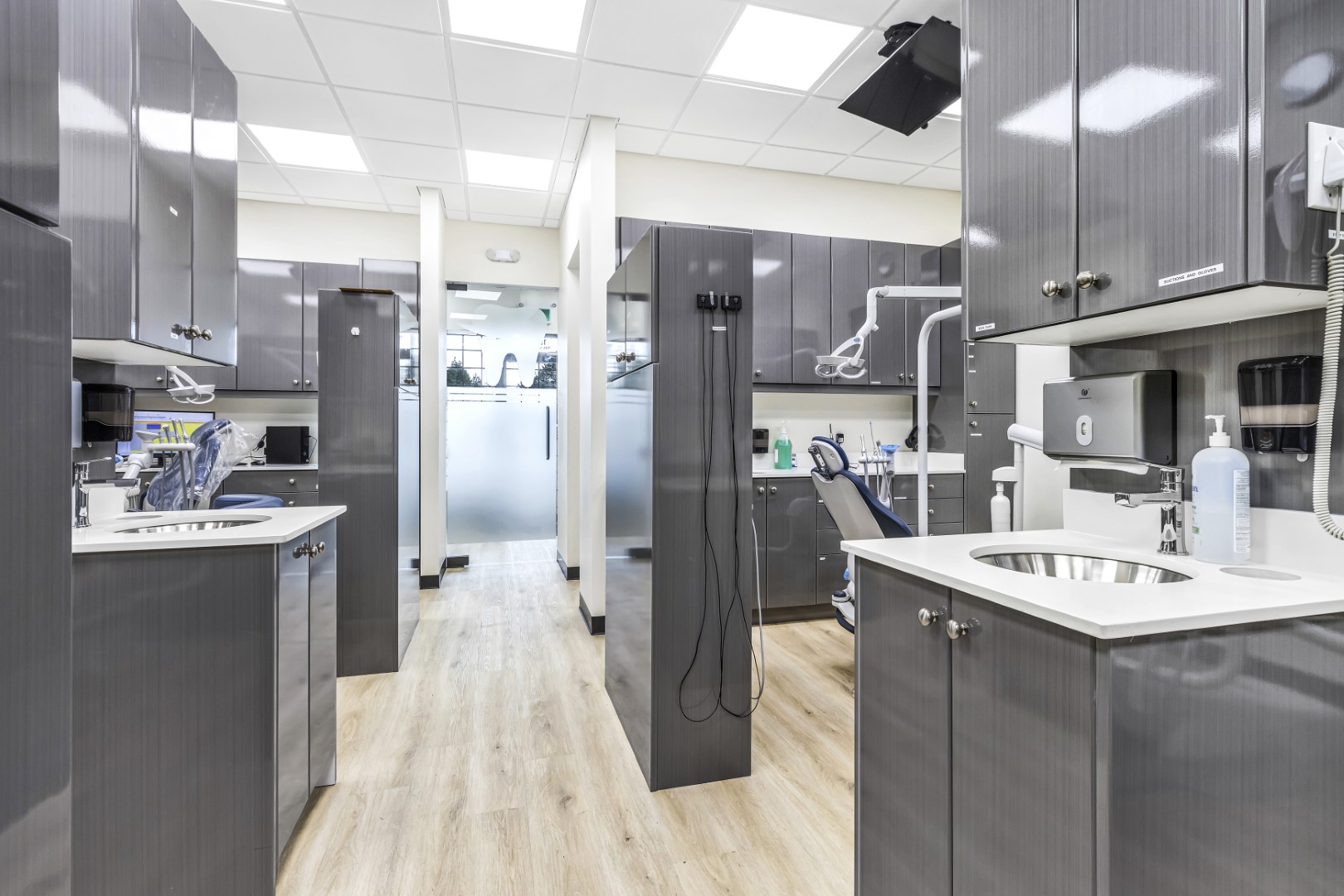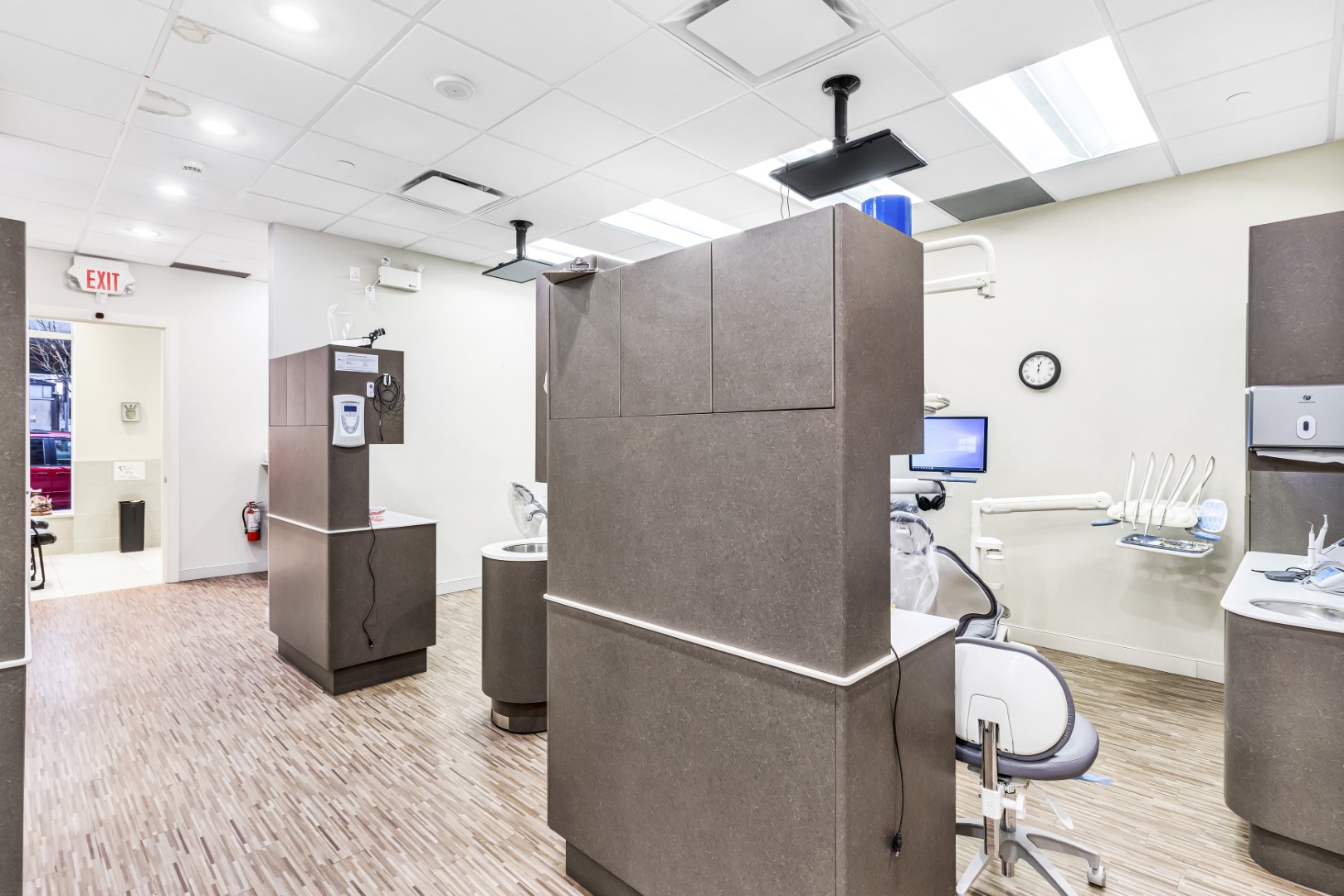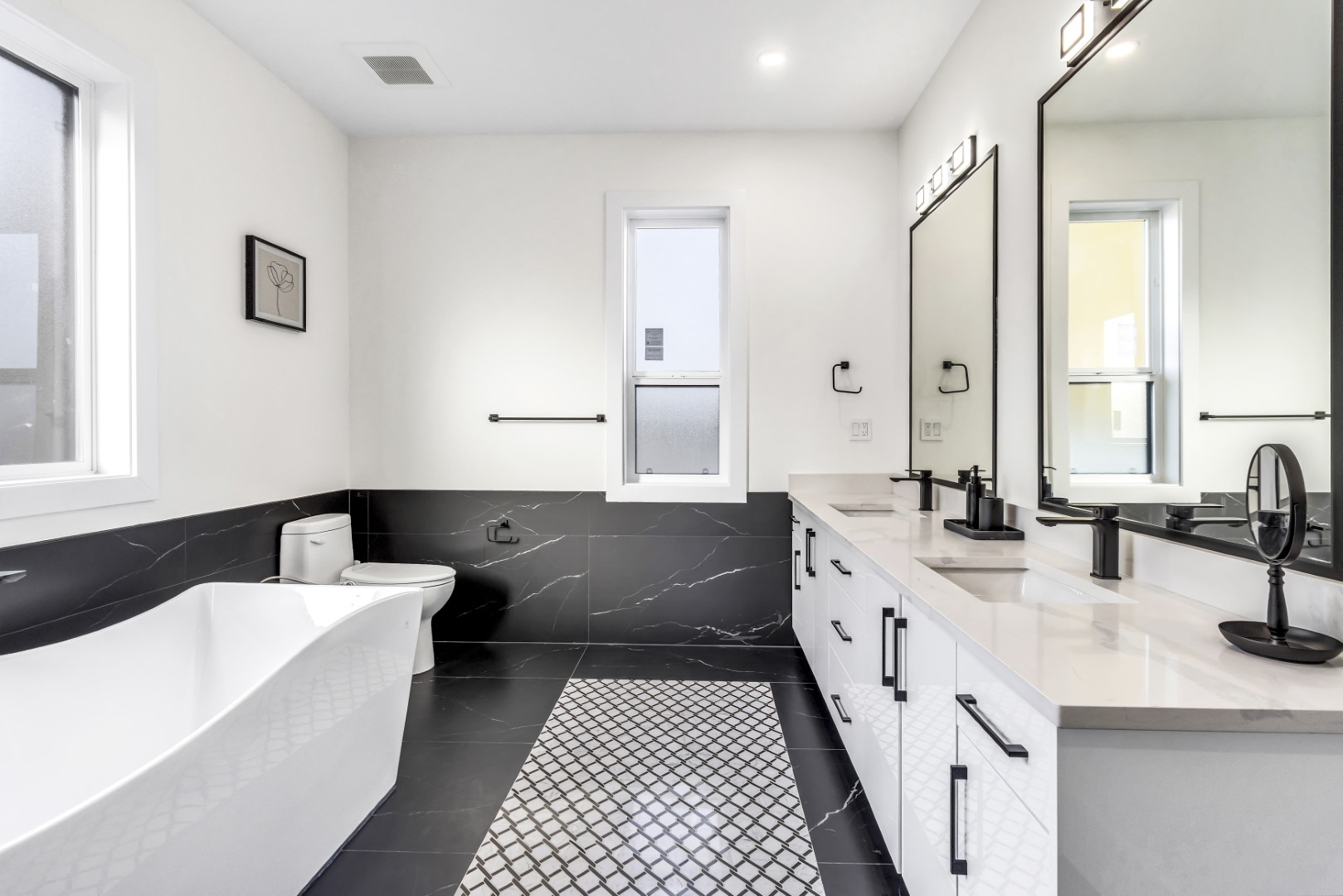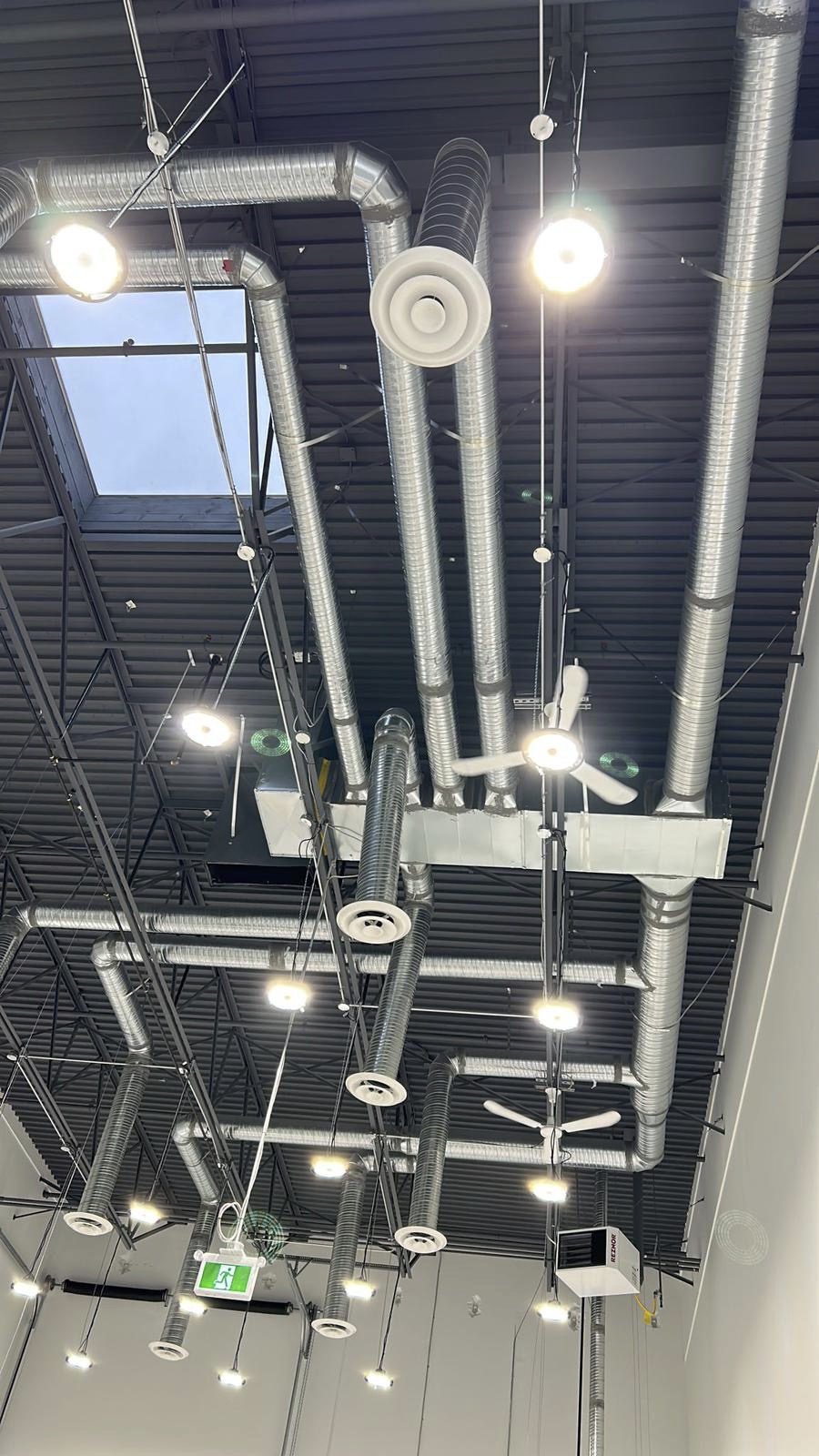
Tenant improvements, often referred to as leasehold improvements, involve customizing a commercial rental space to meet the specific needs of a tenant's business operations. In the dynamic regions of Metro Vancouver and the Fraser Valley, such enhancements are pivotal for businesses aiming to create functional, aesthetically pleasing environments that resonate with their brand identity and operational requirements.
Understanding Tenant Improvements Tenant improvements encompass a broad spectrum of modifications, including but not limited to:
- Structural Alterations: Modifying walls, ceilings, and partitions to create desired layouts.
- Electrical and Plumbing Upgrades: Installing or upgrading lighting fixtures, outlets, and plumbing systems to support specific equipment or utilities.
- Flooring and Finishes: Selecting materials that align with the business's aesthetic and functional needs.
- HVAC Systems: Ensuring adequate heating, ventilation, and air conditioning to maintain a comfortable environment.
These improvements not only enhance the functionality of the space but also contribute to creating an inviting atmosphere for clients and employees alike.
Importance in Metro Vancouver and Fraser Valley The commercial landscapes of Metro Vancouver and the Fraser Valley are characterized by a diverse mix of industries, from tech startups to established retail chains. In such a competitive environment, having a tailored workspace can significantly impact a business's success. Customized spaces can improve workflow efficiency, reflect brand values, and provide a conducive environment for both employees and clients.
Navigating Tenant Improvement Allowances A Tenant Improvement Allowance (TIA) is a sum provided by landlords to tenants to cover, or contribute to, the costs associated with customizing a leased space. The specifics of TIAs can vary based on factors such as lease terms, the extent of improvements, and negotiations between parties. In Metro Vancouver, for instance, the average tenant improvement allowance for retail spaces typically ranges between $15 and $40 per square foot, while for restaurants, it can be higher, between $50 and $200 per square foot.
Effective negotiation and clear understanding of TIAs are crucial. Tenants should ensure that the terms are explicitly outlined in the lease agreement, detailing what improvements are covered, the disbursement process, and any conditions attached.
Permitting and Regulatory Considerations Before embarking on tenant improvements, it is imperative to be aware of local permitting requirements. In the City of Vancouver, for example, the Tenant Improvement Program offers a streamlined process for businesses undertaking minor interior renovations. Eligible projects can benefit from expedited building permits and inspections, provided they meet specific criteria.
Similarly, other municipalities in the Fraser Valley have their own sets of regulations and guidelines. For instance, the City of Abbotsford provides a comprehensive Tenant Improvement Application Guide, detailing submission requirements and processes.
Engaging with local authorities early in the planning phase ensures compliance and can prevent potential delays.
Selecting the Right Contractor Choosing a contractor experienced in tenant improvements within Metro Vancouver and the Fraser Valley is vital. Such professionals are familiar with local building codes, permit processes, and have established relationships with suppliers and subcontractors.
For example, companies like Hallmark Projects Ltd. specialize in commercial tenant improvements, offering services tailored to the unique needs of businesses in the region. Their expertise ensures that projects are completed efficiently, within budget, and to the desired specifications.
Budgeting and Cost Considerations Budgeting for tenant improvements requires a comprehensive understanding of potential costs. Factors influencing expenses include the scope of work, quality of materials, labor charges, and unforeseen contingencies.
A 2022 guide by Cutler Design provides insights into tenant improvement costs across British Columbia. While costs can vary widely, having a ballpark figure aids in setting realistic budgets and expectations.
It's advisable to allocate a contingency fund, typically around 10-15% of the total budget, to address unexpected expenses that may arise during the renovation process.
Timeline and Project Management Effective project management is crucial to ensure that tenant improvements are completed on schedule. Delays can lead to increased costs and potential disruptions to business operations.
Working with contractors who utilize modern project management tools can provide transparency and keep all stakeholders informed. Regular site meetings, clear communication channels, and defined milestones help in tracking progress and addressing issues promptly.
Conclusion Tenant improvements are a strategic investment for businesses in Metro Vancouver and the Fraser Valley, enabling them to tailor commercial spaces to their unique needs. By understanding the intricacies of TIAs, adhering to local regulations, selecting experienced contractors, and managing budgets and timelines effectively, businesses can create environments that foster productivity, reflect their brand, and enhance customer experiences.
Engaging with professionals familiar with the local landscape ensures that tenant improvement projects are executed seamlessly, positioning businesses for success in these vibrant regions.
Our Recent Projects